

Buying a condo in Murrieta can be an appealing way to become a homeowner in Southwest Riverside County. But before you fall in love with the floor plan, upgraded kitchen, or community amenities, there’s something equally important to investigate: the homeowners association.
A beautiful condo can come with financial obligations and restrictions that aren’t obvious during a showing.
Monthly HOA dues are only part of the equation. Reserve funding, upcoming maintenance, insurance coverage, special assessments, and community rules can all affect your ownership experience.
Before buying a condo in Murrieta, review the HOA’s governing documents, financial statements, reserve study, annual budget, assessment disclosures, insurance information, meeting minutes, and property-specific violations.
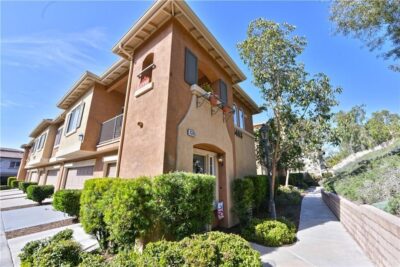

Here’s what to look for and why it matters.
1. CC&Rs: Understand What You Can and Cannot Do
The Covenants, Conditions, and Restrictions (CC&Rs) establish many of the rules governing the community.
They can address everything from property maintenance to architectural changes and the use of common areas.
Before purchasing, consider questions such as:
- Can you rent the property if your plans change?
- Are there restrictions on pets or parking?
- Can you make exterior improvements?
- Who maintains patios, balconies, windows, and roofs?
- What requires HOA approval?
For example, a buyer purchasing a Murrieta townhome may assume the HOA is responsible for all exterior repairs. That isn’t necessarily true.
Responsibilities can differ depending on whether a component is part of the common area, exclusive-use common area, or individually owned property.
Understanding these distinctions before closing can help prevent expensive surprises.
2. HOA Financial Statements: Look Beyond the Monthly Dues
One of the first questions buyers ask is, “How much is the HOA?”
It’s an important question, but it shouldn’t be the only one.
A community with relatively low dues may be financially well managed, or it may be postponing necessary maintenance and reserve contributions.
A community with higher dues may provide more services or be better prepared for future repairs.
Review the association’s financial statements to understand:
- How much operating cash is available.
- Whether homeowners are paying assessments.
- Whether expenses are exceeding revenue.
- Whether the association has significant liabilities.
- Whether money is being transferred into reserves.
The goal isn’t simply to find the lowest HOA fee. It’s to understand what you’re paying for and whether the association can meet its obligations.
3. Reserve Study: Is the HOA Preparing for Major Repairs?
This is one of the most important documents in a condominium purchase.
A reserve study evaluates major components the association expects to repair or replace over time.
Depending on the community, those components may include roofs, exterior painting, asphalt, fencing, waterproofing, and other shared improvements.
The study generally estimates their remaining useful lives, replacement costs, and funding needs.
Pay particular attention to the association’s reserve funding level and projected expenses.
For example, imagine an HOA has $800,000 in reserves. That may sound impressive.
But what if its projected repair and replacement obligations are substantially greater?
The reserve balance alone doesn’t tell the full story.
Ask whether the study is current, whether scheduled work has been completed, and whether the association is following its funding plan.
A low reserve funding percentage doesn’t automatically mean you should walk away. It does mean you should investigate the association’s plan for addressing the shortfall.
4. Special Assessments: Could You Face an Unexpected Bill?
A special assessment is an additional charge imposed on homeowners, generally to cover expenses that regular assessments or other available funds do not adequately address.
Imagine purchasing a condo and discovering several months later that the association needs significant roof or balcony repairs.
If the HOA lacks sufficient funds, homeowners could face additional costs.
Before closing, ask:
- Are there any approved special assessments?
- Has the board discussed potential future assessments?
- Are there major projects without sufficient funding?
- Have regular dues increased significantly?
- Does the association anticipate borrowing money?
A disclosure showing no currently approved special assessment is encouraging, but it does not guarantee there won’t be one in the future.
Reviewing the budget, reserve study, and board meeting minutes together provides a more complete picture.
5. Master Insurance: What Does the HOA Actually Cover?
Condominium insurance can be confusing because coverage is often divided between the association’s master policy and the individual owner’s policy.
The HOA may insure certain shared building components, while the owner may need coverage for interior improvements, personal belongings, liability, and other exposures.
The exact division depends on the governing documents and insurance policies.
Before buying, determine:
- What does the master policy cover?
- What are its deductibles?
- Are there important exclusions?
- What insurance must individual owners carry?
- Could a major loss create additional financial obligations for owners?
Don’t assume that because a community has a master insurance policy, your individual unit is fully protected.
Have your insurance professional review the HOA’s coverage and recommend appropriate individual condominium insurance.
6. Board Meeting Minutes: What Is the HOA Discussing?
Financial statements tell you where the association stands financially.
Board meeting minutes can help reveal what the association is planning, debating, or experiencing.
California Civil Code Section 4525 provides for disclosure of approved board meeting minutes from the preceding 12 months when requested by a prospective buyer.
Look for discussions involving:
- Roof or building repairs.
- Water intrusion.
- Termite damage or wood rot.
- Insurance problems.
- Litigation or disputes.
- Proposed assessment increases.
- Major maintenance projects.
For example, if meeting minutes repeatedly mention roof leaks or deteriorating balconies, that may warrant further investigation even if the current financial statements appear satisfactory.
The objective isn’t to find a community without any maintenance issues. Every property requires maintenance.
The objective is to understand whether problems are being addressed responsibly.
7. Exterior Elevated Element Inspections: Pay Attention to Balconies and Decks
If you’re purchasing a condo with a balcony, deck, or elevated walkway, this deserves special attention.
California Civil Code Section 5551 requires qualifying condominium associations to arrange periodic inspections of certain exterior elevated elements for which the association has maintenance or repair responsibility.
The law addresses specified wood-supported structures and associated waterproofing systems.
Not every balcony or building falls under the same requirements.
Ask whether the community has completed its required inspections, whether any deficiencies were identified, and whether necessary repairs have been completed.
Water intrusion and deterioration can become expensive when ignored.
For buyers comparing condominiums in Murrieta and Temecula, this is an important part of understanding a property’s long-term maintenance exposure.
8. HOA Demand and Violation Reports: Check the Specific Property
Even when an association appears financially stable, the individual unit you’re purchasing may have outstanding issues.
The HOA demand and related disclosures can identify unpaid assessments, fines, fees, or unresolved violations associated with the property.
These might involve unauthorized modifications, parking violations, landscaping issues, or other compliance matters.
Before closing, confirm:
- Whether assessments and other charges are current.
- Whether the property has outstanding violations.
- Whether fines or fees remain unpaid.
- Whether required corrections have been completed.
- Whether any approved assessment changes will affect the new owner.
Ideally, outstanding property-specific issues should be addressed and documented before ownership transfers.
What Are Red Flags When Buying a Condo in Murrieta?
No single financial metric determines whether an HOA is good or bad.
However, several issues deserve additional investigation.
Outdated reserve studies: Major repair costs and timelines may have changed.
Repeated financial shortfalls: Ongoing deficits can indicate that dues aren’t covering the association’s obligations.
Deferred maintenance: Repairs postponed for years may become more expensive.
Unclear insurance coverage: Significant deductibles or coverage gaps may create unexpected exposure.
Unresolved violations: Property-specific issues can complicate a transaction.
Potential special assessments: Planned projects without adequate funding deserve careful evaluation.
A buyer should understand these risks before deciding whether to proceed, negotiate, or investigate further.
Frequently Asked Questions
Are HOA fees included in my mortgage payment?
Typically, HOA dues are paid separately from the mortgage, although the lender may consider them when determining affordability. Confirm the payment arrangements for your particular property.
Can HOA fees increase after I buy?
Yes. Regular assessments can change, subject to applicable law and the association’s governing documents. Special assessments may also be imposed under applicable requirements.
Does the HOA pay for termite damage and wood rot?
It depends on where the damage occurs and how maintenance responsibility is allocated in the governing documents. Common-area repairs may be the HOA’s responsibility, while certain individually owned or exclusive-use components may be treated differently.
Always verify responsibility for the specific affected component.
Can I review HOA documents before removing my contingencies?
Yes. Reviewing the available HOA disclosures during your contractual investigation period is an important part of buyer due diligence. Pay close attention to your purchase agreement’s deadlines and consult your agent regarding your rights and obligations.
Should I avoid a condo with low reserves?
Not automatically. Evaluate the reserve funding level alongside the property’s age, projected capital expenditures, maintenance history, and the association’s funding plan.
The Bottom Line: Know What You’re Buying
When purchasing a condo in Murrieta, you’re buying more than the individual residence.
You’re also becoming part of a community with shared financial obligations, maintenance responsibilities, and rules.
The right property isn’t necessarily the one with the lowest HOA dues or the newest finishes.
It’s one where you understand both the benefits and the potential obligations before making your decision.
At Harcourts One, we believe buying a home should involve more than finding a property you love. It should also involve understanding what you’re purchasing.
Whether you’re exploring condos in Murrieta, townhomes in Temecula, or other properties throughout Southwest Riverside County, our team can help you evaluate your options, navigate the purchase process, and make informed decisions.
Thinking about buying a condo or townhome in Murrieta? Contact Harcourts One to discuss your search and buying strategy.
Written by Jesse Salas | Harcourts One | Serving San Diego County and Southwest Riverside County.
Related reading: Buying new construction in Menifee: before touring model homes and Why your house isn’t selling in Temecula: 7 reasons and what to do next.