


Your listing expired, and that feels personal. You kept the house ready for showings, you answered every scheduling request, and you waited for an offer that never came. Now the sign is gone, the listing is off the market, and you are left with the same move you still need to make.
An expired listing is not a verdict on your home. It is the end of one listing agreement and one strategy. The home can still sell. What has to change is the plan around it, not just the date on a new listing.
Homes are still selling across San Diego County, even in a market that feels slower and more selective than it did a few years ago. The difference between the homes that sell and the homes that sit is rarely one dramatic flaw. It is usually a combination of price, presentation, exposure, and follow through, and a second listing only works when each of those is honestly reviewed before the home goes back on the market.
What “expired” actually means
A listing agreement runs for a set term. When that term ends without an accepted offer, the listing expires and the home comes off the active market. You are not locked into the same approach, and you are not required to relist the same home the same way the next day.
That pause matters. It gives you a chance to look at showing feedback, comparable sales, photos, and the marketing that buyers actually saw, instead of rushing back online with the same presentation and hoping for a different result. A relaunch, done properly, is a new introduction to buyers, not a repeat of the first one.
Why homes do not sell the first time
Most expired listings share a few common causes. Naming the right one for your home is the whole job, because the fix for a pricing problem is different from the fix for a presentation problem.
Price that buyers cannot support
Price is the most common reason a home sits. Buyers in San Diego County compare relentlessly. They see recent closed sales in the neighborhood, not just active asking prices, and they know when a price asks them to pay for a market that has already moved on.
This does not always mean the home was priced far too high. Sometimes the price was reasonable on day one and the market shifted during the listing. Sometimes it was set from an older sale, a neighbor’s asking price, or a number the seller needed, rather than from what buyers had recently paid for similar homes. Either way, if showings slow and offers do not come, the market is giving feedback, and the price has to be part of the conversation.
Repeated small price cuts, on their own, rarely fix this. They can signal to buyers that the seller is uncertain, while still leaving the home above the price where buyers are actually competing. A second listing needs a pricing decision grounded in current closed sales, current competition, and an honest read of condition, not just another cut from the old number.
For a fuller look at the price question before you change anything, read Why Isn’t My House Selling in Temecula, CA? 7 Reasons and What to Do Next and Before Lowering Your Temecula Home Price: 7 Things to Review. The Temecula examples are specific to that market, but the diagnostic questions apply just as well to a San Diego County relaunch.
Presentation buyers scroll past
Most buyers meet your home on a phone screen first. If the lead photo is dark, the rooms look smaller than they are, or the description reads like a list of features instead of a reason to visit, many buyers never book a showing at all.
That is fixable, and it is often the fastest win in a second listing. New photography that leads with the home’s strongest space, a clear and honest description, decluttering, and small repairs to the things buyers notice on a walkthrough can change how the same home reads online. The goal is not to hide anything. It is to present the home the way a buyer will actually live in it, so the showing confirms what the photos promised.
Exposure that never reached the right buyers
A listing on the MLS alone is a starting point, not a marketing plan. If the first campaign relied on the same photos, the same description, and the same channels for months, many buyers in the area may have already seen it and moved on. A second listing has to reach buyers who missed it, buyers who are new to the search, and agents who may have dismissed the first version.
That means rethinking the launch itself. New photos, a revised description, a fresh open house plan, direct outreach to agents with buyers in the area, and paid exposure where it fits that specific property all matter more than simply turning the listing back on. No single channel sells a home by itself, and no responsible plan should promise a set number of views, showings, or offers. What a second listing can promise is a deliberate plan, executed from day one, instead of a listing left to sit.
Access, feedback, and follow through
Homes also stall when showings are hard to schedule, when feedback from showings is never collected or never acted on, or when communication between seller and agent breaks down. If buyers could not get in easily, or if every showing ended with the same concern and nothing changed, the second listing has to fix access and feedback first. Easy showing access, prompt follow up with showing agents, and a weekly review of what buyers are actually saying are unglamorous parts of selling, and they are often the parts that were missing.
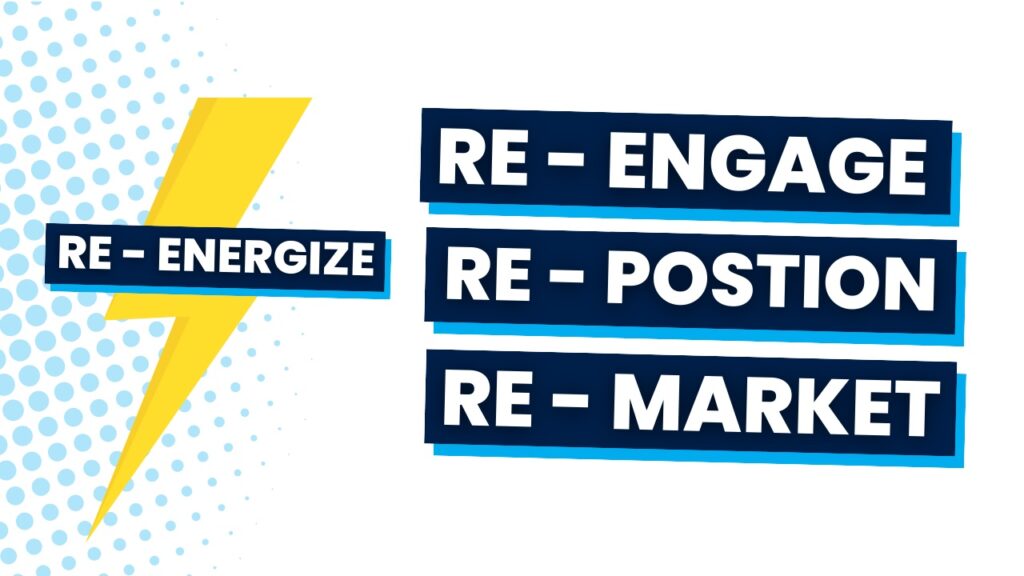
The Re-Energize process: Re-Engage, Re-Position, Re-Market
This is where a second listing earns its second chance. At Harcourts One, Jesse Salas uses a three part process called Re-Energize for homes that have not sold, and it is deliberately broader than just dropping the price. Unlike many agents who just drop the price, this process does much more, because price alone does not fix presentation, exposure, or buyer confidence.
Jesse has more experience selling homes that have not sold than the majority of agents, and that experience shapes the order of the work. Each step below answers a different question a buyer is already asking.


1. Re-Engage: find out what buyers actually thought
Re-Engage starts with the evidence from the first listing. That means reviewing showing feedback, days on market, the homes that sold while yours sat, and the comments buyers and agents made after walkthroughs. It also means a direct conversation with you about what you heard, what frustrated you, and what has changed since the first listing, including your timeline and what a successful move looks like now.
Too many second listings skip this step and go straight to a new price. That wastes the most valuable information the first listing produced. Buyers already told the market something. Re-Engage is about listening to it before spending anything on a relaunch.
2. Re-Position: change how the home competes
Re-Position is where price, condition, and presentation are decided together. It starts with current comparable closed sales, not old asking prices, and it weighs the cost and return of targeted preparation. Sometimes that is a deep clean, fresh paint in key rooms, and landscaping. Sometimes it is a larger repair that buyers kept flagging. Sometimes it is deciding, honestly, that the home should be priced to compete with the homes buyers are choosing instead, even when that number is uncomfortable.
Re-Position also covers how the home will be sold. Most homes relaunch as a traditional MLS listing with a revised strategy. For some sellers, a Harcourts Non-Distressed Auction, which is a structured auction sale and not a foreclosure or distressed sale, is worth discussing as an alternative method, with its reserve price protections explained in full before any decision. The right method depends on the home, the seller’s timeline, and the buyer pool, and it should be chosen deliberately, not by default.
3. Re-Market: relaunch, do not just relist
Re-Market is the public relaunch. New photography, a rewritten description that sells the home’s benefits and rarity instead of inventorying rooms, a launch plan for the first two weeks, open houses planned around real buyer traffic, and outreach to agents and buyers who may have passed the first time. If the home sat for a long time, the relaunch should look and read as new, because buyers notice when a listing simply reappears with the same photos and a lower price.
Re-Market also includes staying in front of the market after launch week. That means tracking showings, collecting feedback, reviewing competing new listings and price changes, and adjusting quickly when the market responds. A second listing cannot afford a slow first month. The launch window is when buyer attention is highest, and the plan should treat it that way.
What a strong second launch looks like, week by week
A useful way to judge any relaunch plan is to ask what happens in the first three weeks, not just on launch day.
In the first week, the home should debut with new photos and a new description, easy showing access, and outreach to agents with active buyers in the area. An open house, when it fits the home and the neighborhood, should be planned as a real event, not an afterthought.
In the second week, showing feedback should be reviewed in full, not summarized as “no feedback yet.” If the same concern keeps appearing, that concern becomes the next fix, whether it is price, condition, or presentation.
By the third week, the seller and agent should be able to say, in plain language, what is working, what is not, and what changes next. If the answer is only “wait longer,” the plan is not a plan. A second listing deserves a schedule of decisions, not just a schedule of showings.
Should you pause, rent, or relist right away?
Not every expired listing should go straight back on the market. If the home needs meaningful preparation, a short pause to complete that work can be smarter than relisting immediately with the same flaws. If your timeline allows it and the numbers work, renting is sometimes the right call, but it brings landlord responsibilities, tenant coordination for future showings, and tax and financing questions worth discussing with your own advisers before deciding.
If you do relist, the decision that matters most is not the date. It is whether the new plan is materially different from the old one in price, presentation, exposure, and follow through. If you cannot point to what changed, buyers will not be able to either.
For sellers weighing the practical side of a second listing, including tenant coordination, Selling a Tenant-Occupied Home in San Diego County: What Sellers Need to Know Before Listing covers what to check before listing a home with tenants in place.


Frequently asked questions
How soon can I relist after my listing expires?
In many cases you can relist once the previous agreement has ended, but relisting immediately with the same price and photos rarely helps. A brief pause to complete preparation, reset pricing from current comparable sales, and rebuild the marketing usually produces a stronger launch than speed alone.
Will buyers think something is wrong with my home because it expired?
Some buyers will notice the listing history. The best answer is a visibly improved relaunch, with new presentation, a supportable price, and a clear story about what changed. Pretending the first listing did not happen, or relaunching it unchanged, is what keeps the stigma alive.
Is a price cut enough to sell an expired listing?
Sometimes a price correction is part of the answer, but on its own it is rarely the whole answer. If buyers passed because of photos, condition, access, or weak exposure, a lower price on the same listing still leaves those problems in place. That is why Re-Position and Re-Market sit alongside pricing in the Re-Energize process, instead of after it.
Should I stay with the same agent or switch?
Stay if the agent performed well, the relationship is strong, and you can have an honest reset conversation about what changes. Consider a second opinion if the first strategy was never clearly explained, if feedback was never shared, or if trust has eroded. Either way, judge the next plan on its specifics, not on its promises.
What should I ask before signing a second listing agreement?
Ask what the diagnosis of the first listing is, what comparable sales support the new price, what preparation is recommended and why, what the launch plan is for the first two weeks, how showing feedback will be shared, and how often pricing and strategy will be reviewed. If those answers are vague, keep asking until they are specific.
A second listing deserves a second strategy
An expired listing is frustrating, and it can feel like the market rejected your home. In most cases, the market rejected the first strategy, not the home itself. A careful diagnosis, a repositioned price and presentation, and a real relaunch give buyers a reason to look again, and give you a plan you can actually evaluate week by week.
If your San Diego County listing expired, or if your home has been sitting and you are tired of waiting for a different result from the same approach, Harcourts One can review your first listing, your comparable sales, and your options for a second launch, including whether a traditional listing or a Harcourts Non-Distressed Auction fits your timeline and goals. Start with a conversation about what did not work the first time, and what a genuinely different second attempt would look like for your home.
Harcourts One serves sellers across San Diego County and Southwest Riverside County (Temecula Valley), and the Re-Energize process applies in both markets: homes that have not sold deserve a new plan, wherever they are.
By Jesse Salas, REALTOR®/Owner, Harcourts One.