


About one in seven home deals that went under contract in September 2026 never made it to closing. Redfin reported that 14.5 percent of purchase agreements were canceled that month, the highest share outside the first months of the pandemic, as higher rates and more choices gave buyers room to walk away.
A canceled deal costs a seller something a price cut never does: time, momentum, and the confidence of the next buyer who sees the home come back on the market. Yesterday’s post in this series looked at why there are more homes and fewer buyers. Today is about the next step. When a buyer does make an offer, why does the deal fall apart, and what can a seller do about it?
How often are home deals falling apart right now?
More often than at any point since the pandemic began. Redfin reported in October 2026 that 14.5 percent of home purchase agreements that went under contract in September 2026 were canceled, the highest share in Redfin’s records outside March and April 2020. Roughly one in seven deals did not reach closing.
The National Association of REALTORS reported a similar pattern from a different angle. In its Realtors Confidence Index survey, 7 percent of contracts were terminated over the three months ending in September 2026, up from 6 percent a year earlier, and 16 percent had delayed settlements. Fewer deals are even getting started. Redfin reported that pending home sales fell 4 percent from August to September 2026, the biggest monthly drop in more than three years, to the lowest level since spring 2014 outside the April 2020 freeze, with declines in all 50 of the most populous metro areas. San Diego was among the steepest, down 15.8 percent from a year earlier. The pressure did not ease in October: NAR reported on November 12, 2026 that existing-home sales fell 5.5 percent from September to a 3.75 million annualized pace, the lowest since August 2010.
Why are buyers walking away from deals?
Because right now, they can. When buyers have more homes to choose from and fewer competing offers to beat, walking away stops feeling risky. A buyer who finds a problem during inspections, or whose financing tightens, can step back and look at the next listing instead of working through the issue.
Redfin asked its agents in September 2025 why their deals had fallen apart. Inspection or repair issues topped the list at 70.4 percent, buyer financing falling through came next at 27.8 percent, and a buyer who could not sell their current home followed at 21 percent. In a market where buyers hold the leverage, ordinary friction is enough to end a deal.
Rates are the force behind much of it. The weekly average 30-year mortgage rate climbed to 7.28 percent at the end of September 2026, its highest level in three years, according to Redfin, and Freddie Mac’s survey put the 30-year fixed rate at 7.40 percent for the week ending October 8, 2026. Appraisals add another pressure point: NAR reported that 5 percent of contracts were delayed by appraisal issues in September. When a home appraises below the contract price, someone has to cover the gap, renegotiate, or walk away.
What makes a deal fall apart in San Diego County and Temecula Valley?
The same national pressures, felt more sharply here. San Diego pending sales fell 15.8 percent year over year in September 2026, one of the steepest drops among the 50 largest metros. Buyers here are not just being careful, they are signing far fewer contracts than a year ago, and the ones they do sign are more likely to be canceled.
In Temecula Valley, the dynamic is similar even when the price points are lower. Buyers relocating from San Diego County or from out of the area often have a home to sell first, and a contingent buyer is a fragile buyer. If their own sale stalls, your deal stalls with it. None of this means a deal in Temecula Valley is doomed. It means the offer with the highest price is not always the offer most likely to close.
A home that goes under contract and comes back tells the next buyer a story before they walk through the door. Buyers wonder what the first buyer found, and they price that worry into their offer.
What can sellers do before accepting an offer?
Vet the buyer, not just the price. A strong offer is a buyer who can actually close, on the terms in the contract, on the timeline in the contract.
Verify the financing, don’t just read the pre-approval letter. Ask whether the lender has verified income, assets, and credit, or whether the letter was issued from an application alone. Then look at proof of funds for the down payment and any cash the buyer is offering above an appraisal. A buyer who cannot document the cash they promised is a buyer whose deal can unravel at the appraisal.
Weigh contingencies against price. An offer $20,000 higher with a full inspection contingency, a financing contingency, and a home-sale contingency is often weaker than a slightly lower offer with fewer ways out. In a market where one in seven deals cancel, the terms that keep a buyer in the deal are worth real money. A larger earnest money deposit shows commitment, and pricing the home to appraise keeps the appraisal from becoming the deal’s weakest link. And ask for a backup position. When a strong second offer exists, keep that buyer warm. A backup offer turns a cancellation from a restart into a phone call.
What should you do if your deal falls apart?
Pause before you relist. The worst response to a canceled deal is to put the home back on the market the same day, at the same price, with the same photos, and hope for a different result. The next buyer will see the home return, and they will ask the same question the first buyer asked: what went wrong?
Start by finding out exactly why the deal failed. If it was an inspection issue, get the report, fix what is reasonable to fix, and keep a contractor’s receipt or a re-inspection to show the next buyer. If it was financing, the problem may have been the buyer, not the home, and that is worth saying plainly to the next buyer. If it was an appraisal, the pricing conversation needs to happen before the next offer, not after it.
Then decide what changes before the home goes back on the market. Sometimes the fix is a repair. Sometimes it is a price adjustment. What it should never be is nothing. A home that returns unchanged invites the same outcome. For more on what buyers think when a home sits, see Days on Market: What Buyers Really Think When Your Home Sits Too Long.

How do you relaunch a home that fell out of escrow?
Treat it as a relaunch, not a resume. A home that fell out of escrow needs the same fresh start as a home that expired, because the market reads it the same way: a home that did not sell the first time.
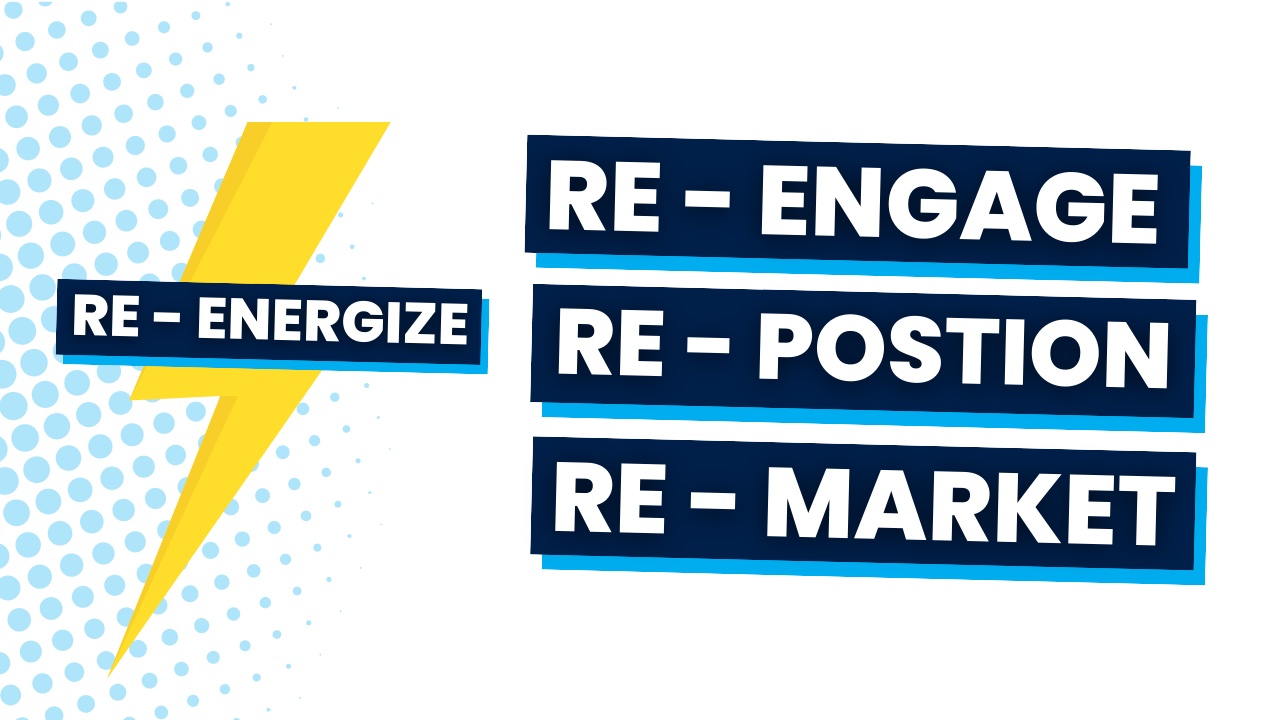
At Harcourts One, the re-energize process has three parts, in this order: Re-Engage, Re-Position, Re-Market. Re-engage means going back to buyers who showed interest the first time. Re-position means fixing the pricing, presentation, or terms that held the first deal back. Re-market means putting the home in front of fresh buyers with new photos, new copy, and paid exposure beyond the MLS. Unlike many agents who just drop the price, this process does much more, and it is built for exactly this moment: a good home that needs a second chance to close.
Jesse has more experience selling homes that haven’t sold than the majority of agents. The full process is laid out in Expired Listings in San Diego County: What Changes the Second Time. And if price cuts have already been part of the story, read Tired of Lowering the Price? What Actually Moves a Home That Isn’t Selling before deciding on the next cut.


Questions sellers ask when a deal falls apart
How common is it for a home deal to fall through right now?
About one in seven. Redfin reported that 14.5 percent of purchase agreements that went under contract in September 2026 were canceled, the highest share outside March and April 2020.
What is the most common reason a deal falls apart?
Inspection or repair issues. In a Redfin survey of its agents in September 2025, inspection or repair issues were cited in 70.4 percent of canceled deals, followed by buyer financing falling through at 27.8 percent and the buyer being unable to sell their current home at 21 percent.
Can a home that fell out of escrow still sell for a strong price?
Yes, when the relaunch addresses the reason the first deal failed. A home that fell out of escrow is not a damaged home. It is a home that needs a better second launch.
If your deal just fell apart, or you are about to accept an offer and want it to be the one that actually closes, Jesse can help. He can review the strength of the offer on the table, not just the price, and walk through the pricing, marketing, and negotiation strategy that gives your home its best chance to close. If your home fell out of escrow, he can run the re-energize process to relaunch it. Start with a free home valuation at https://www.salassells.com/home-valuation/, and reach out to talk through your next step. Jesse serves sellers across San Diego County and Southwest Riverside County (Temecula Valley).


